
Pressure Washing in San Marco: Brick, Stucco & Historic Homes
San Marco's 1920s–40s Mediterranean Revival homes need a gentle touch. Here's how to clean brick, stucco and historic wood without damage.
Read More →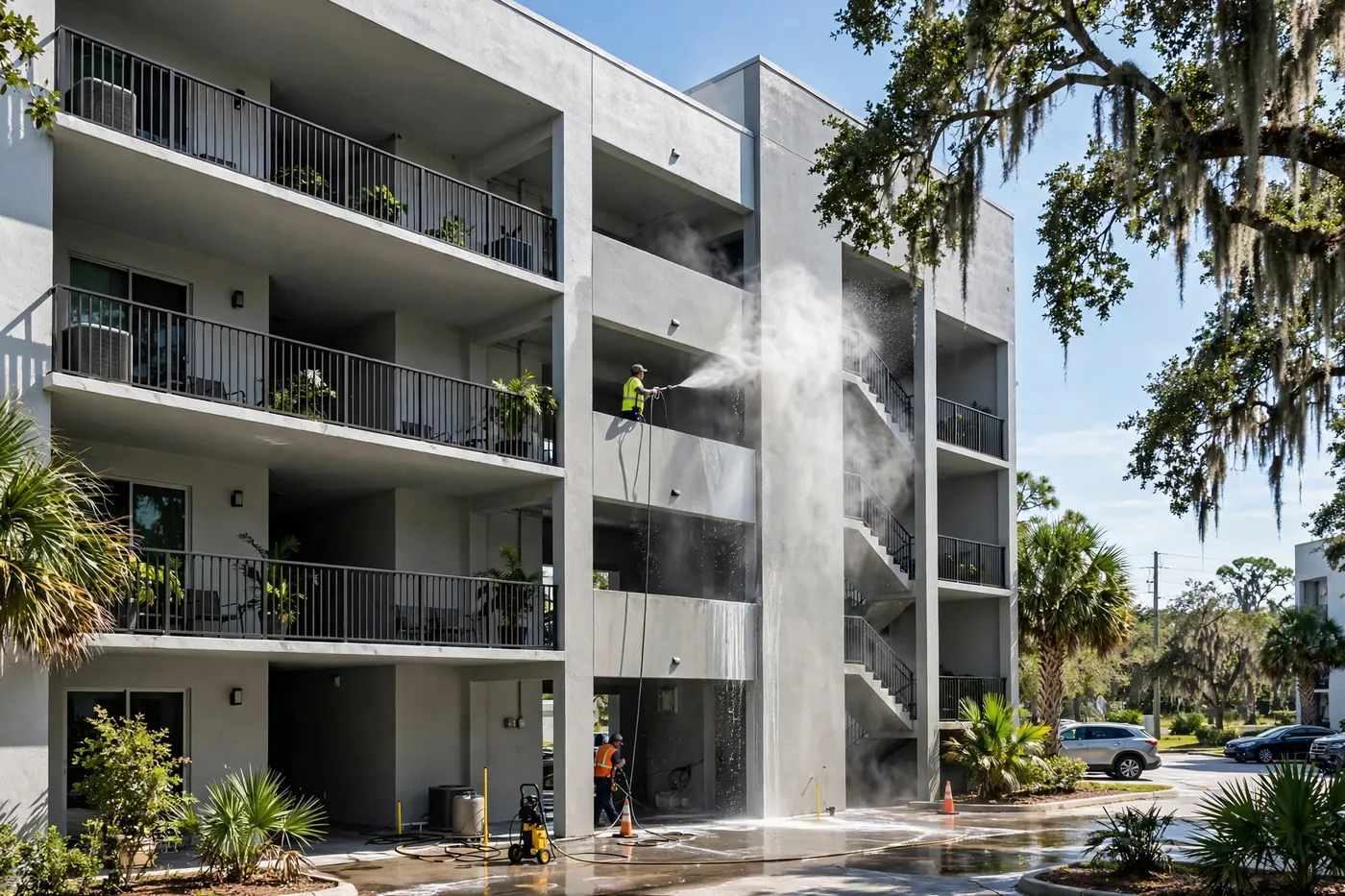
Condo exterior cleaning: what the HOA covers, what you pay for, and how to get it scheduled.
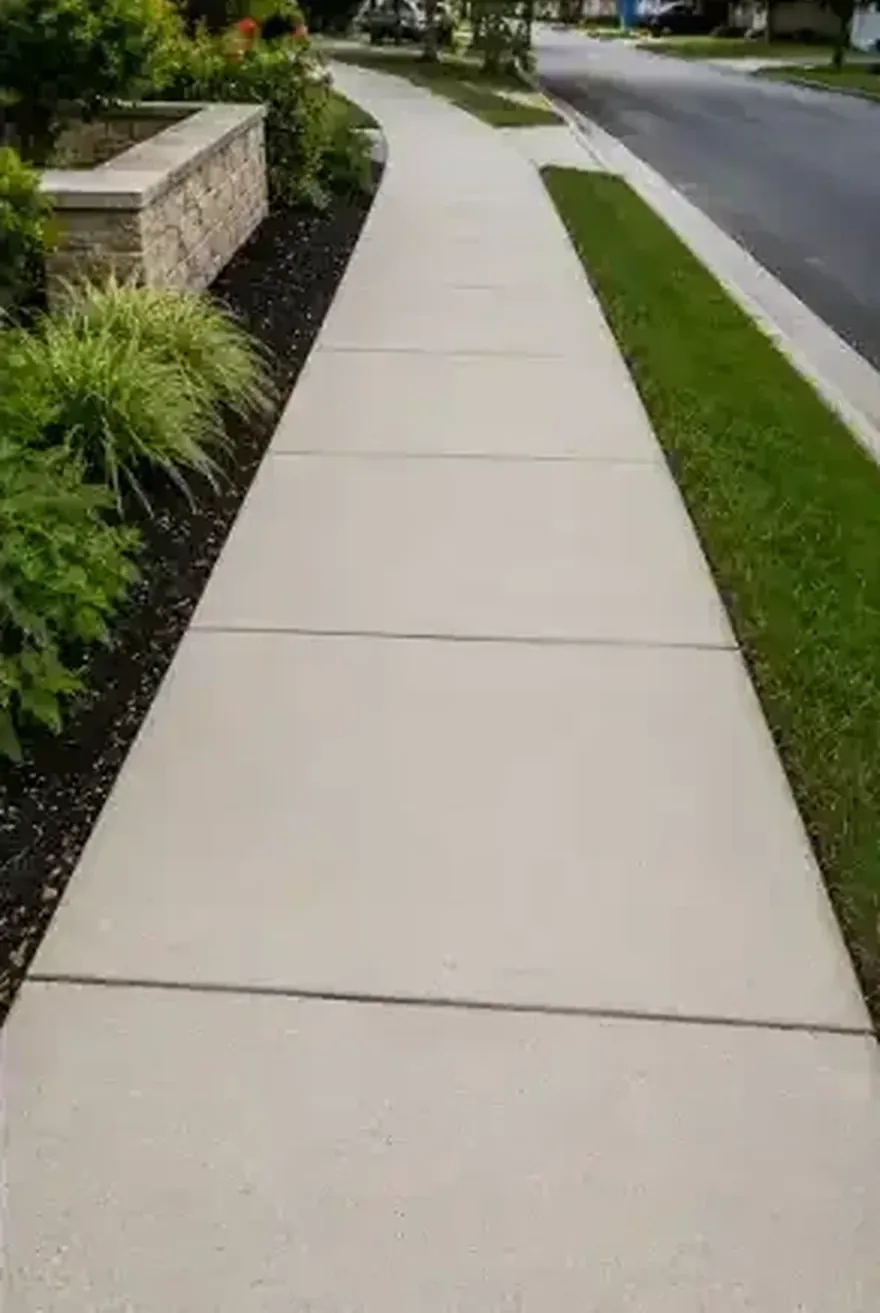
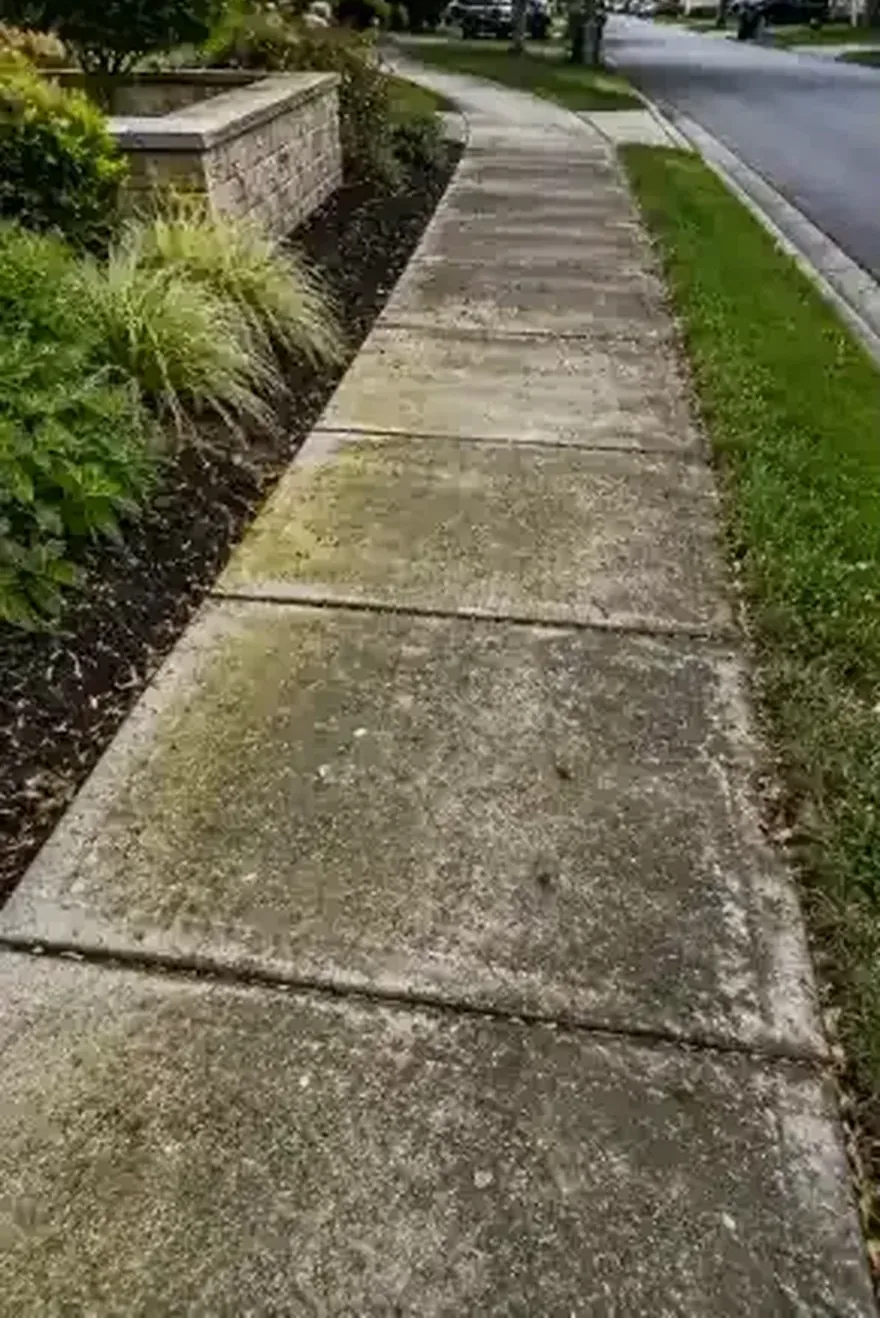 BEFOREAFTER
Drag to compare
BEFOREAFTER
Drag to compareThis is the question behind nearly every condo pressure washing Jacksonville inquiry we get, and the honest answer is: it depends on your building's documents. But there are strong patterns across the Baymeadows corridor, Southside, and Deerwood area complexes. In most garden-style and mid-rise condos, the HOA or condo association is responsible for the building exterior — siding, common walkways, breezeways, stairwells, and parking areas — funded through your monthly dues. The unit owner is typically responsible for their exclusive-use areas: the balcony or patio slab, and sometimes the windows and screens.
The gray areas are where the arguments start. Is the concrete pad of your ground-floor patio exclusive-use or common area? Who owns the mildew on the wall facing your balcony? Your declaration and bylaws answer these, usually in the maintenance section, but plenty of owners have never read that far. Before you pay out of pocket for anything beyond your front door, check the documents — you may already be paying for it in your dues.
When the HOA is responsible but slow to act, individual owners sometimes hire us for just their section — a balcony, a patio, the walkway to their door. We do these small jobs regularly. But if the whole building is green, one clean balcony just highlights the problem, and the real fix is getting the board to schedule a building-wide wash.
If you have ever walked a Baymeadows condo breezeway in August, you know the smell: damp concrete, mildew, and whatever the second-floor neighbor's cooking vented that morning. Breezeways and interior stairwells are the highest-traffic, lowest-ventilation surfaces in the building, and in Jacksonville's humidity they grow a biofilm that is both ugly and genuinely slippery. These are common areas, squarely the HOA's responsibility, and they are usually the most visibly neglected.
Cleaning them properly takes more than a wand and a prayer. Standing water has to go somewhere — we manage drainage so we are not flooding ground-floor patios or pushing dirty water under doors. Railings get hand-detailed because residents touch them. And we work building by building, section by section, so residents always have a dry path to their doors. It is methodical work, and it is the fastest way to make an aging complex look a decade younger.
Parking garages and surface lots are the other big common-area item. Oil spots, tire marks, and the general gray film of exhaust accumulate until the whole garage feels dingy and unsafe. A professional garage wash — usually scheduled overnight or in phases — transforms how residents feel about coming home after dark.
Your balcony or patio is almost always your responsibility, and it is also the exterior surface you actually live with. Second-floor balconies collect mildew on railings and green film on the slab where the AC condensate drips. Ground-floor patios get leaf tannin, irrigation rust, and the slow creep of algae from the lawn edge. Because these are small areas, they are also quick and affordable to clean — most take under an hour.
A practical tip for balcony owners: check your railing type before anyone washes it. Painted aluminum railings common in 1980s Baymeadows buildings can be chalky with oxidation, and aggressive washing strips the remaining paint. We soft wash railings and will tell you honestly if the paint is too far gone for washing to help — sometimes the right answer is a wash plus a fresh coat of paint, in that order.
Also mind your neighbors below. Water and detergent from a second-floor balcony goes straight down to the first-floor patio. We always work top-down and notify affected units, which is one reason individual balcony jobs go smoother when the building coordinates them together.
Building-wide condo washes are logistics projects, and the good ones are invisible to residents. Here is how we run them: first a walkthrough with the property manager to map water sources, drainage, parking impacts, and any problem areas. Then a notice to residents — usually 48 to 72 hours — explaining which days their building section is being done, where to move cars, and to keep windows closed and balcony items inside.
We phase the work so no building is ever fully blocked. Breezeways get done in halves with a dry path maintained. Water is the other planning item: we need spigot access, and on large complexes we sometimes bring our own supply to avoid draining the building's system or fighting for pressure with residents' morning showers. A typical garden-style building takes a day; a full complex runs several days to a couple of weeks depending on size.
For boards getting bids, ask every contractor the same three questions: how do you handle resident notification, how do you manage water and drainage, and what is your plan if it rains mid-job. The answers tell you immediately who has done this before.
If you are an owner trying to convince a reluctant board, lead with liability and asset value, not aesthetics. Slippery breezeways and stairwells are a slip-and-fall risk the association owns. Visible mildew depresses resale values for every unit, not just yours — appraisers and buyers photograph exteriors first. And deferred cleaning gets more expensive: algae left for years roots deeper and takes longer (read: costs more) to remove.
Bring a specific proposal, not a complaint. Get a written quote with scope, schedule, and resident-notification plan, and present it at the meeting. Boards say yes to turnkey plans far more often than to vague requests. Professor Pressure Washing has been family-owned in Jacksonville since 2015 and we provide exactly that kind of board-ready proposal — scope, phasing, and all. Call (904) 938-5900 and we will walk the property with your manager and put it in writing.
Usually the HOA covers the building exterior, breezeways, stairwells, walkways, and parking areas through your dues, while you cover your balcony or patio. But every building's declaration is different, so check your documents before paying out of pocket — you may already be paying for it.
Almost always the unit owner, since these are exclusive-use areas. They are small, quick jobs — most take under an hour. Just check railing paint condition first, and coordinate with the unit below since water runs downhill.
In phases, with 48 to 72 hours resident notice, cars moved, and a dry path always maintained. We map water sources and drainage with the property manager first, and a typical garden-style building takes about a day. Ask any bidder about notification, drainage, and rain plans.
San Marco's 1920s–40s Mediterranean Revival homes need a gentle touch. Here's how to clean brick, stucco and historic wood without damage.
Read More →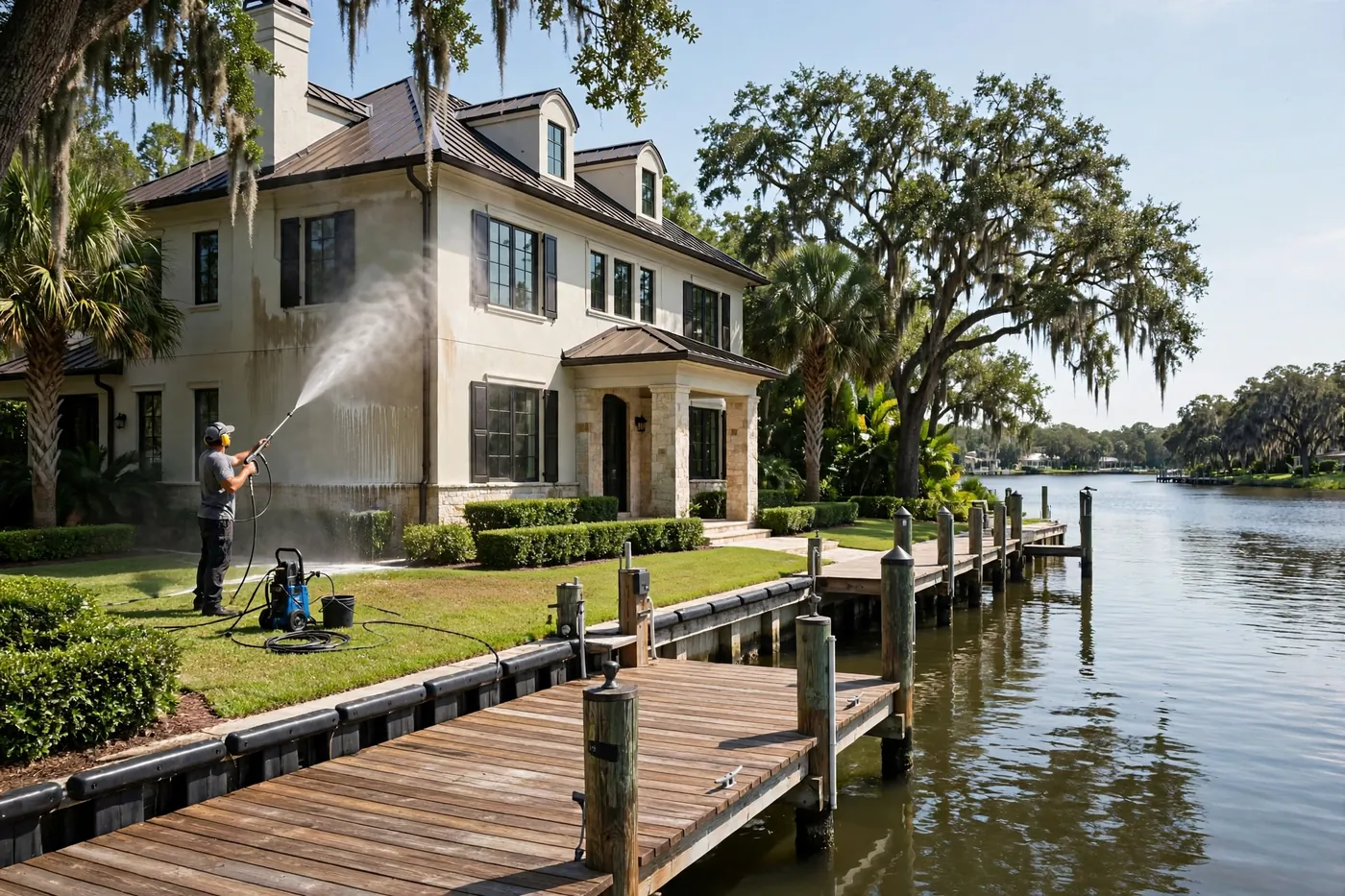
Ortega's riverfront estates face salt air, river humidity and dock grime. A complete guide to waterfront exterior cleaning.
Read More →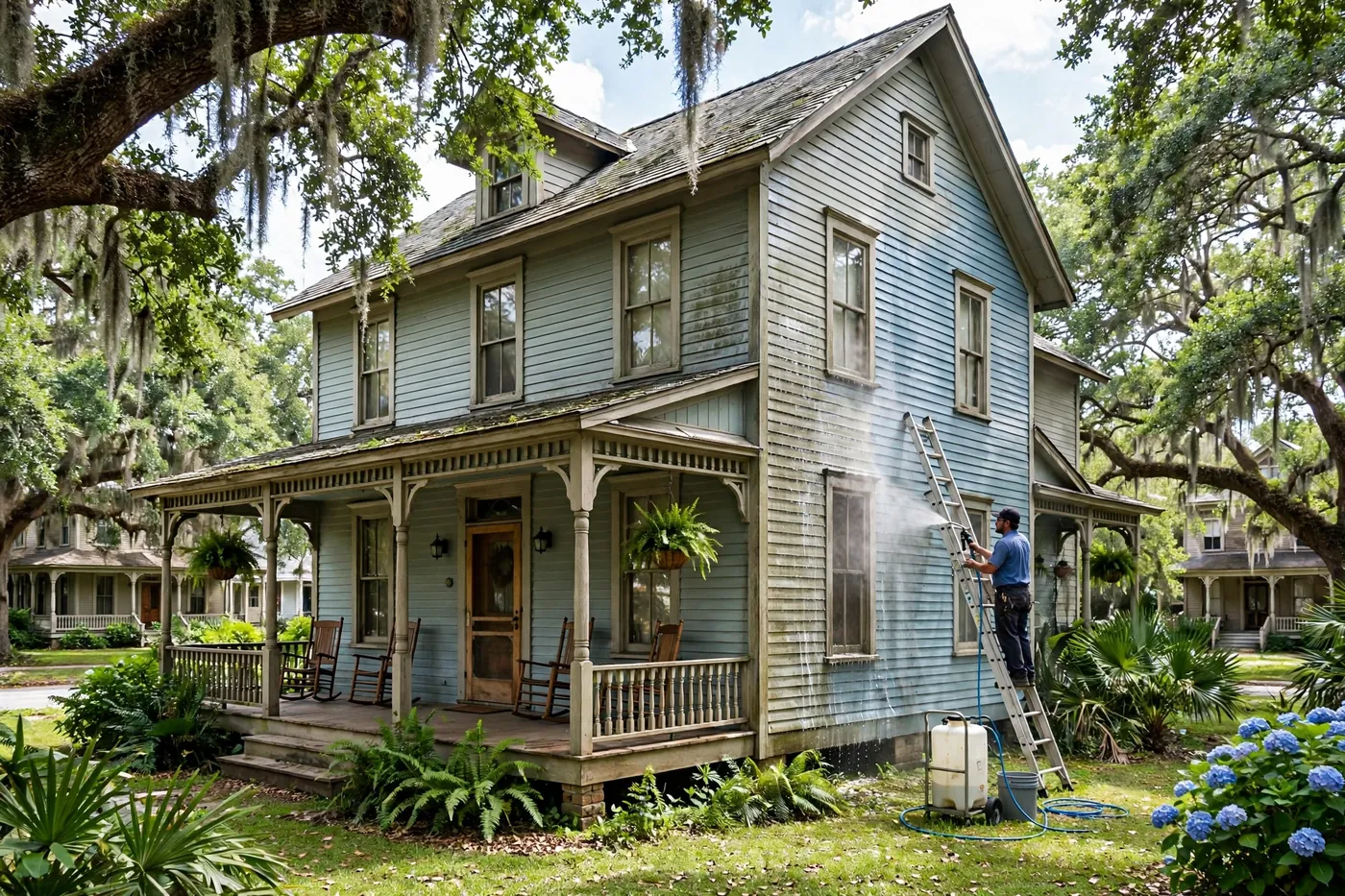
Springfield's century-old homes need soft washing, not brute force. How to restore historic siding safely.
Read More →Call now for a free estimate and same-day service in Jacksonville, FL. Open 24/7.