
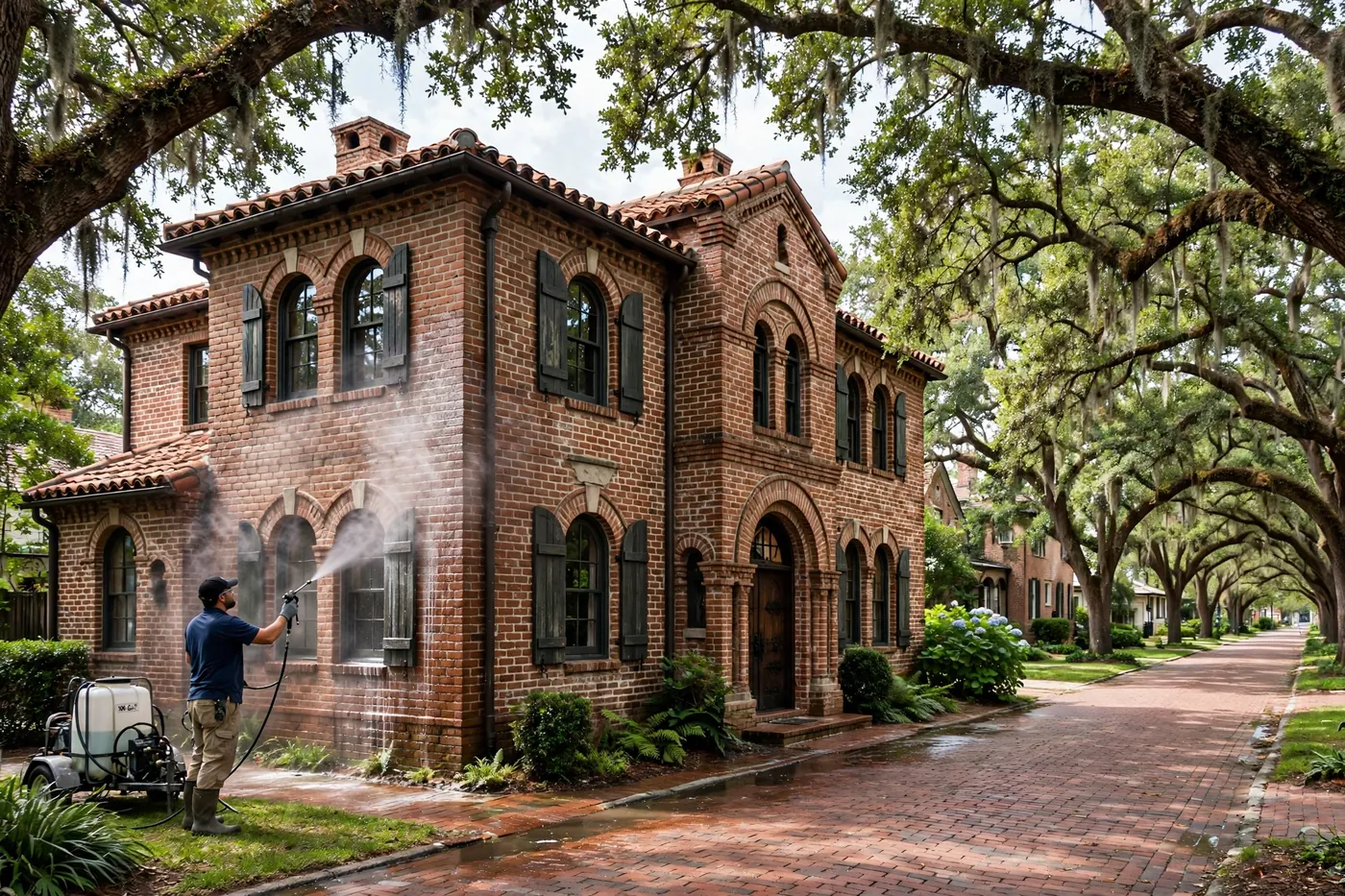
Pressure Washing in San Marco: Brick, Stucco & Historic Homes
San Marco's 1920s–40s Mediterranean Revival homes need a gentle touch. Here's how to clean brick, stucco and historic wood without damage.
Read More →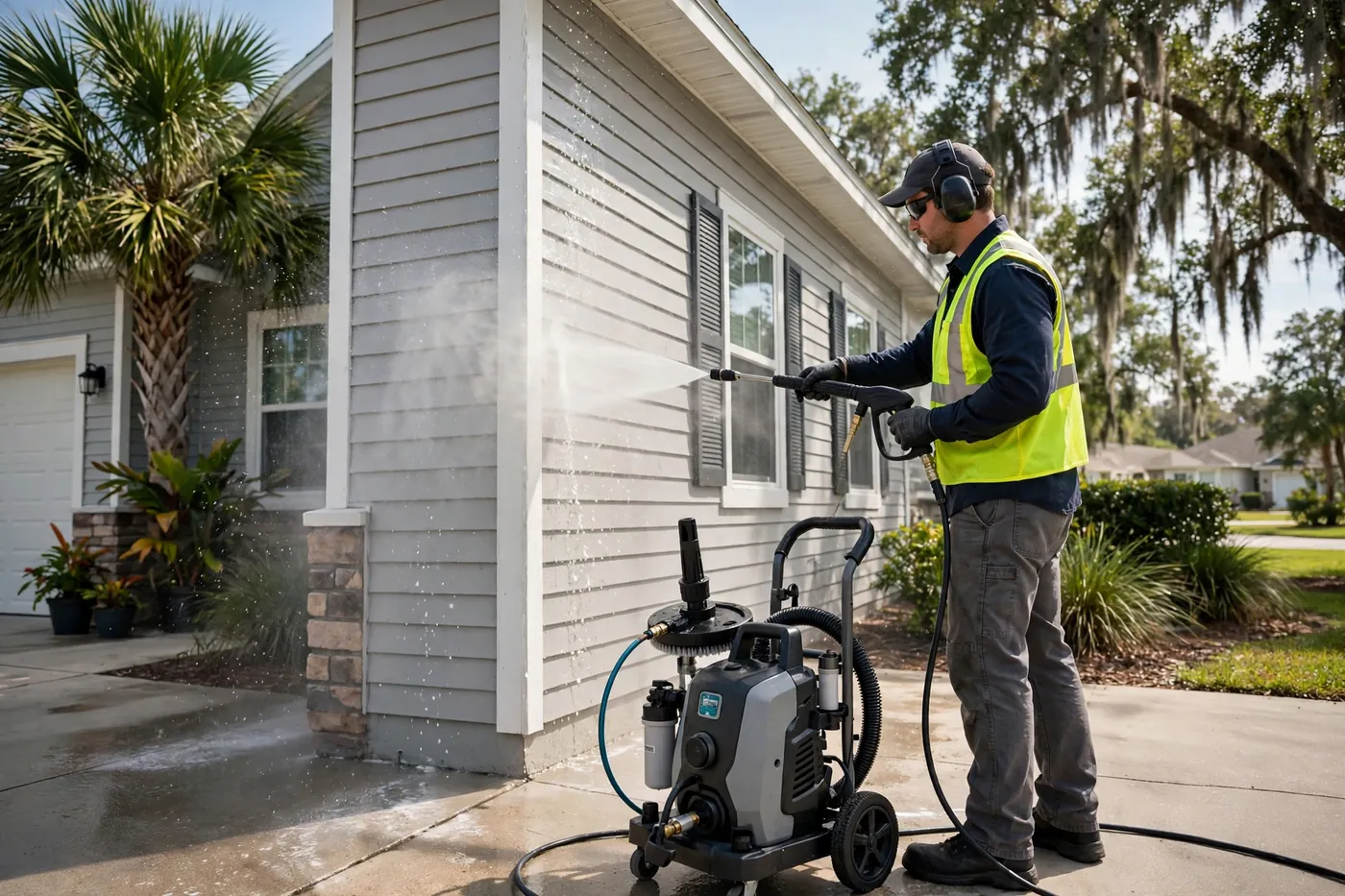
JEA limits lawn watering — but does it limit pressure washing? Reclaimed water, restrictions and what applies to your home.
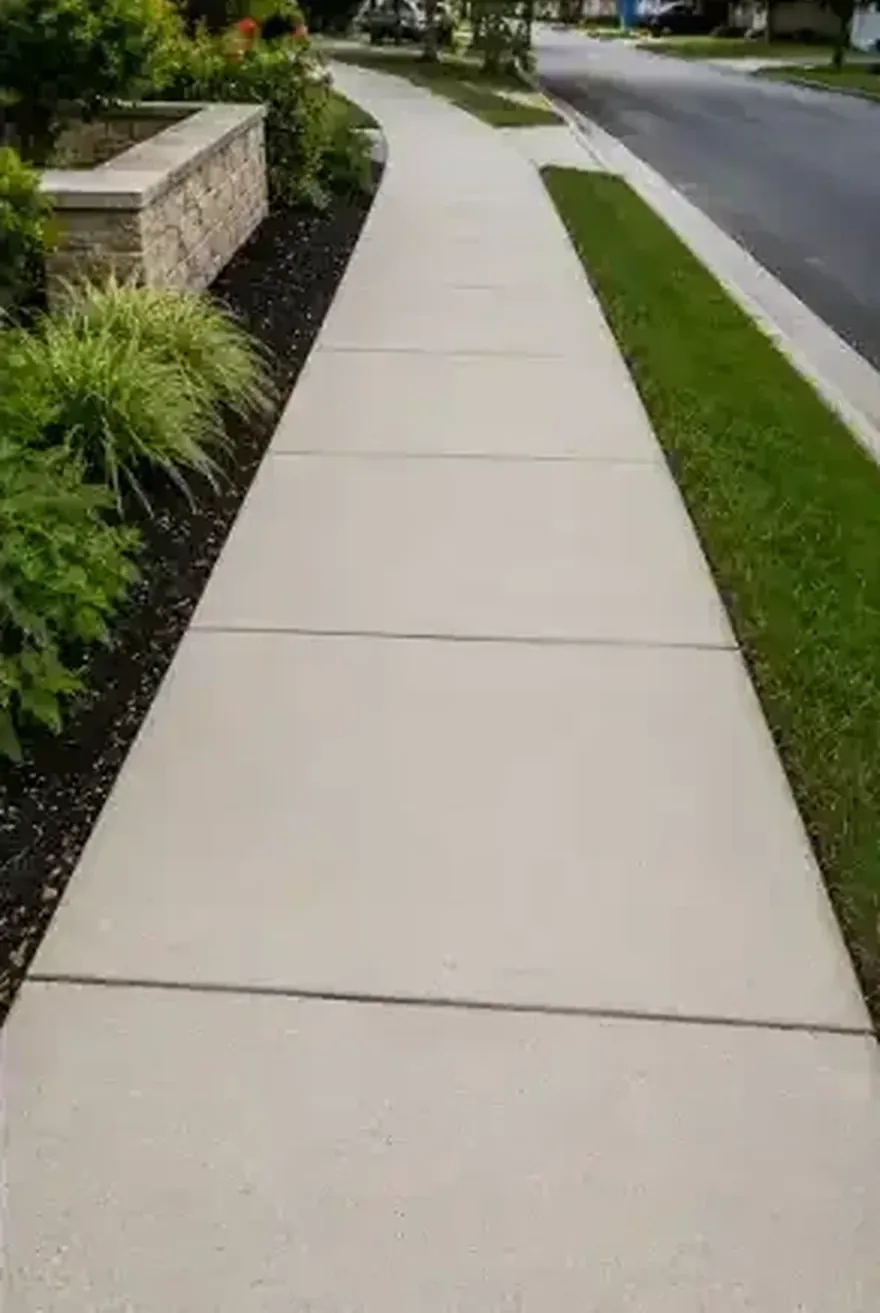
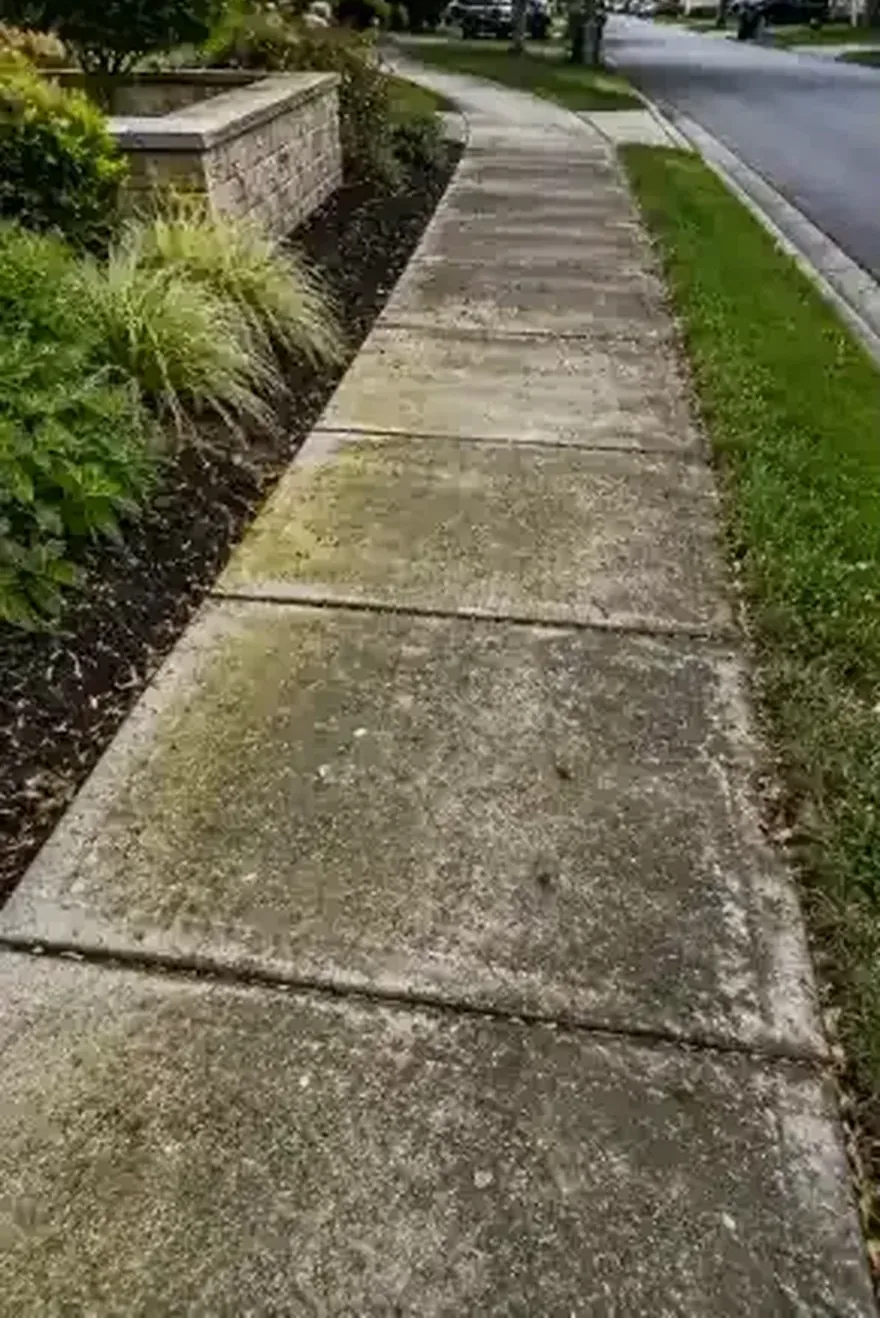 BEFOREAFTER
Drag to compare
BEFOREAFTER
Drag to compareIf you're a JEA water customer in Jacksonville, you've seen the rules: outdoor irrigation is limited by an odd/even schedule based on your address — odd-numbered addresses water on Wednesdays and Saturdays, even-numbered on Thursdays and Sundays — and only before 10 AM or after 4 PM. No watering on Mondays, no watering in the heat of the day, and no watering during or shortly after rain. Violations can bring warnings and then fines, and JEA does enforce them.
These rules exist for good reason. Northeast Florida's aquifer is under real pressure from growth, and outdoor irrigation is the single largest residential water use — in summer, it can account for more than half of a household's total consumption. The restrictions aren't about punishing homeowners; they're about making sure there's enough water for everyone as Duval County keeps growing.
But here's the question almost nobody asks until they're standing in their driveway with a contractor: do these irrigation restrictions apply to pressure washing? The answer matters, because the rules were written for sprinklers, not cleaning — and the distinction is important.
Here's the straight answer: JEA's irrigation restrictions target landscape watering — sprinklers, irrigation systems, and hose-end sprinklers used to water lawns and plants. Pressure washing for cleaning purposes (house siding, driveways, pool decks) is generally not classified as irrigation, and the odd/even schedule doesn't directly govern when you can have your house washed.
That said, 'not restricted' doesn't mean 'use water recklessly.' During declared water shortages or drought emergencies, utilities can and do impose broader restrictions that may affect all outdoor water use — and Jacksonville has seen drought declarations in dry years. A reputable contractor stays aware of current conditions and will tell you honestly if a restriction period affects scheduling. If anyone tells you pressure washing is banned during normal restriction periods, they're misinformed; if they tell you it doesn't matter during a declared emergency, they're irresponsible.
The practical takeaway for homeowners: you can schedule pressure washing any day of the week under normal conditions. But choose a contractor who uses water efficiently anyway — not because the rules force it, but because it's the right way to do the work and it keeps your water bill down.
Drive through Nocatee, parts of the Southside, or newer developments along the First Coast and you'll see the purple pipes and valve covers: reclaimed water. JEA and St. Johns County Utilities operate reclaimed water systems that deliver treated wastewater — cleaned to strict standards — for irrigation use. It's a different system from your drinking water, it's cheaper than potable water, and in many new communities it's mandatory for irrigation.
For pressure washing, reclaimed water is generally fine to use and actually preferable from a conservation standpoint — you're cleaning with water that's already been used once. Most professional pressure washing rigs can run on reclaimed water without issue. If your home has reclaimed service, mention it when booking; a good contractor will happily connect to it, and you'll save on the potable water meter.
One caution: reclaimed water can carry more dissolved minerals than potable water, which means slightly higher spotting potential on windows if the rinse isn't thorough. A professional who knows reclaimed water compensates with proper rinse technique and, where needed, a final spot-free pass on glass. It's a minor consideration, not a reason to avoid it — the conservation benefit is real.
Let's put real numbers on it, because the perception and the reality are far apart. A professional pressure washing setup typically flows 4 to 8 gallons per minute while the trigger is pulled — but the trigger isn't pulled continuously. A full house wash on a typical Jacksonville home uses roughly 150 to 300 gallons of water total. A driveway adds another 100 to 200. For perspective, that's less than a single cycle of many residential irrigation zones, and roughly equivalent to two or three loads of laundry.
Compare that to what the restrictions are actually targeting: a typical in-ground irrigation system puts down 1 to 1.5 inches of water per zone per cycle, and a full-system run can easily use 1,000 to 3,000 gallons in a single morning. One pressure washing appointment uses a fraction of one irrigation day. The water math strongly favors cleaning over watering — which is exactly why regulators distinguish between them.
Efficiency matters anyway. Modern professional equipment — high-flow pumps, surface cleaners that clean wide paths per pass, and soft-wash systems that rely on chemistry rather than volume — uses dramatically less water than a homeowner with a consumer-grade machine making repeated passes. When we quote a job, water efficiency is built into our methods, not an afterthought. It's better for your bill, better for the aquifer, and frankly, it cleans better too.
Whether or not restrictions apply to your wash, water-smart habits save real money. First, fix the leaks and misdirected heads in your irrigation system before you pay to clean — there's no point washing the green algae off your siding if your sprinklers are soaking it again every Thursday. We see this constantly: the same wall, green again in three months, because a sprinkler head is aimed at the house instead of the lawn.
Second, time your wash strategically. Late spring, after pollen season, is ideal — you're cleaning once instead of washing in March and watching pollen undo it by May. And if you're on reclaimed water, use it for the wash; the savings on your JEA bill are modest per job but real, and the conservation value is genuine.
Finally, choose contractors who treat water as a resource, not an unlimited input. At Professor Pressure Washing, we've built our methods around efficiency since 2015 — soft washing that lets chemistry do the work, equipment sized right for the job, and honest advice about timing. If you have questions about JEA rules, reclaimed water, or scheduling around restrictions, call (904) 938-5900. We'll give you the straight answer, not a sales pitch.
Generally, no. JEA's odd/even irrigation schedule targets landscape watering — sprinklers and irrigation systems — not cleaning activities like pressure washing your house or driveway. Under normal conditions you can schedule a wash any day of the week. During declared drought emergencies, broader restrictions can affect all outdoor water use, so a responsible contractor stays aware of current conditions — but standard year-round restrictions don't govern pressure washing.
Reclaimed water is treated wastewater, cleaned to strict standards and delivered through separate purple-pipe systems for irrigation — common in Nocatee, parts of the Southside, and newer St. Johns County developments. It's cheaper than potable water and preferable for pressure washing from a conservation standpoint. Most professional rigs run fine on it; just mention it when booking so your contractor connects to the right source and adjusts rinse technique for slightly higher mineral content.
Far less than most people assume: a full house wash typically uses 150 to 300 gallons, plus 100 to 200 for a driveway. That's less than a single morning's run of a typical in-ground irrigation system, which can use 1,000 to 3,000 gallons. Professional equipment — high-flow pumps, surface cleaners, soft-wash chemistry — is dramatically more water-efficient than consumer machines. The water math is one reason regulators treat cleaning differently from irrigation.
San Marco's 1920s–40s Mediterranean Revival homes need a gentle touch. Here's how to clean brick, stucco and historic wood without damage.
Read More →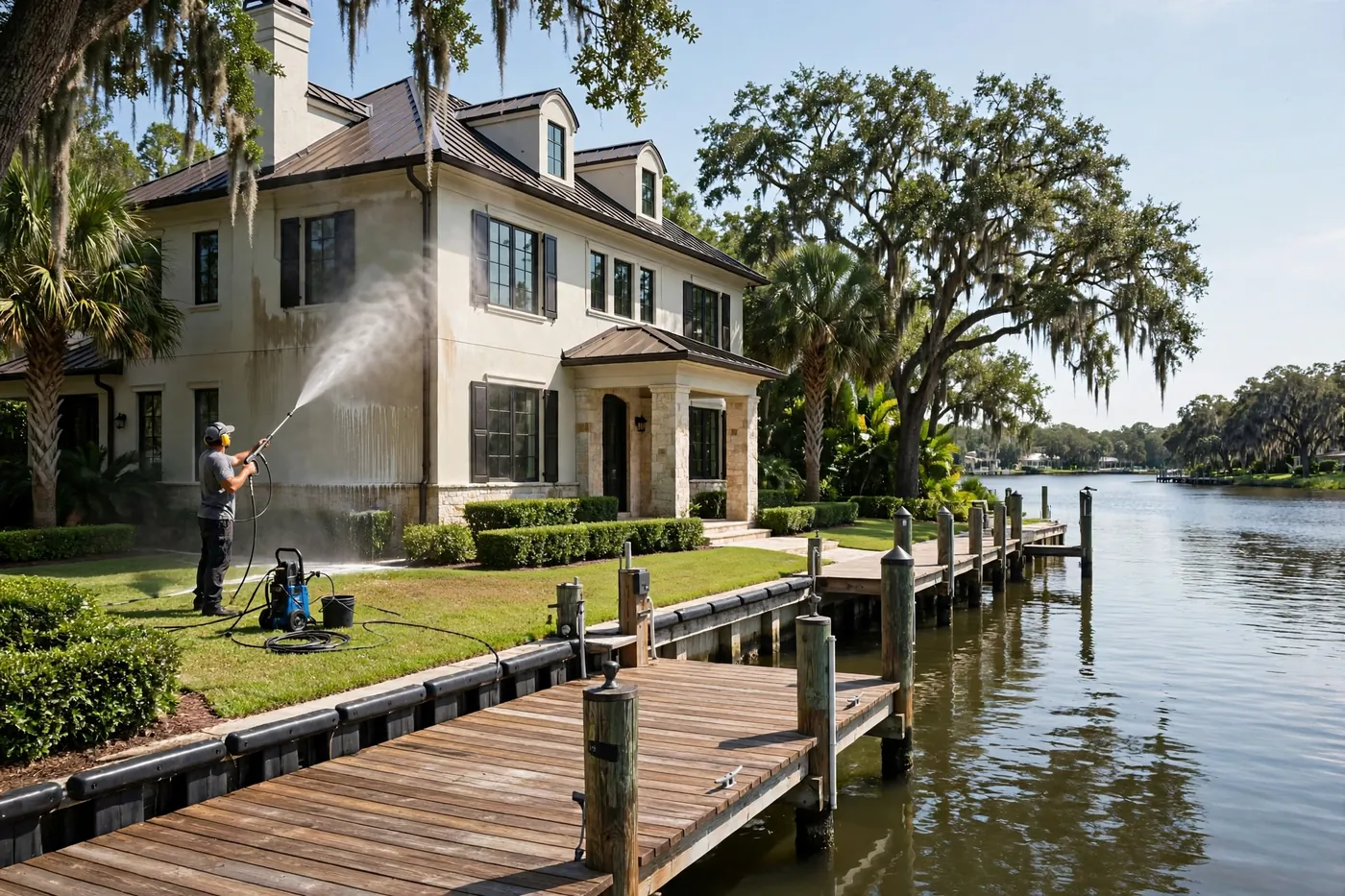
Ortega's riverfront estates face salt air, river humidity and dock grime. A complete guide to waterfront exterior cleaning.
Read More →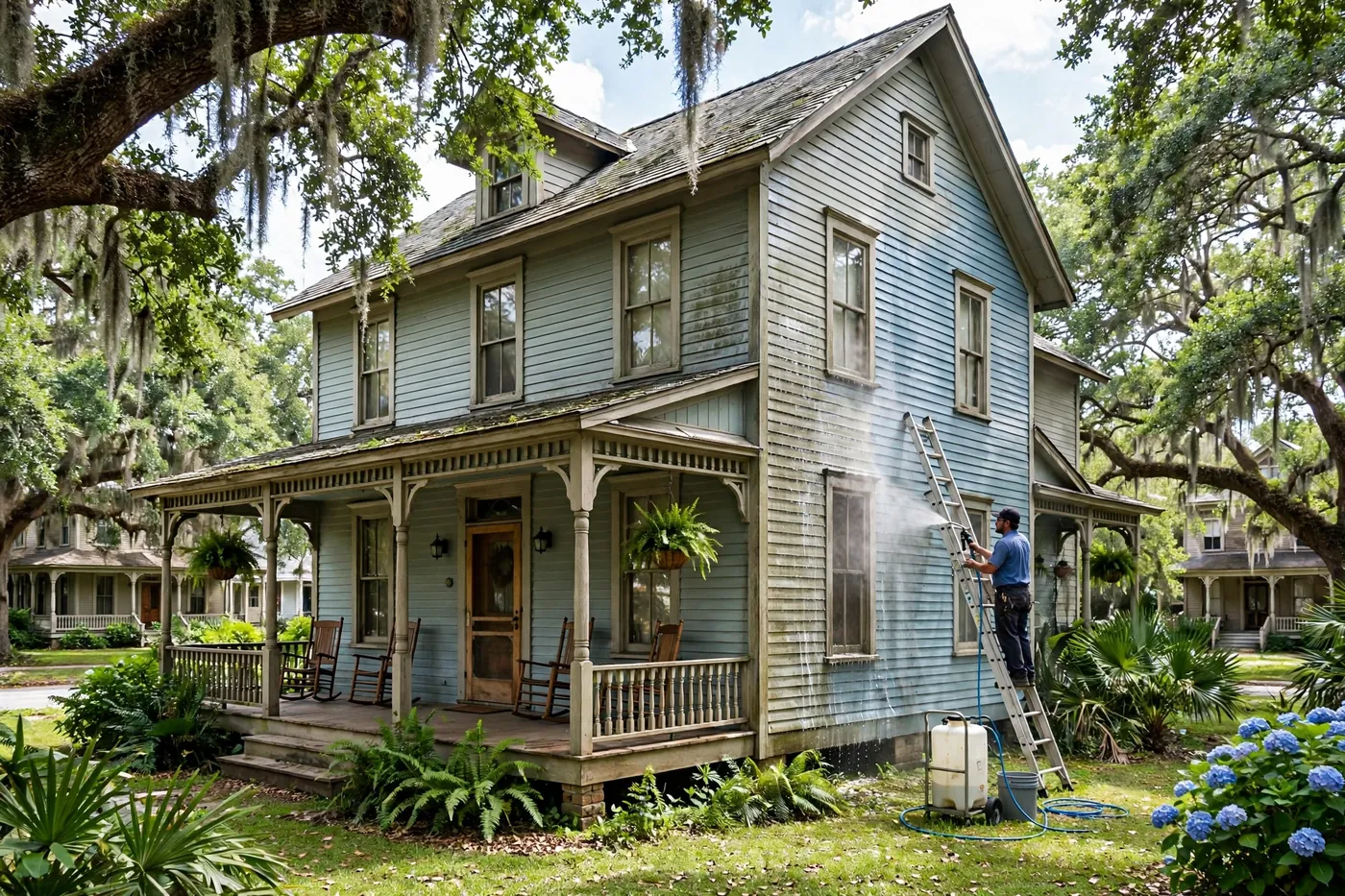
Springfield's century-old homes need soft washing, not brute force. How to restore historic siding safely.
Read More →Call now for a free estimate and same-day service in Jacksonville, FL. Open 24/7.