
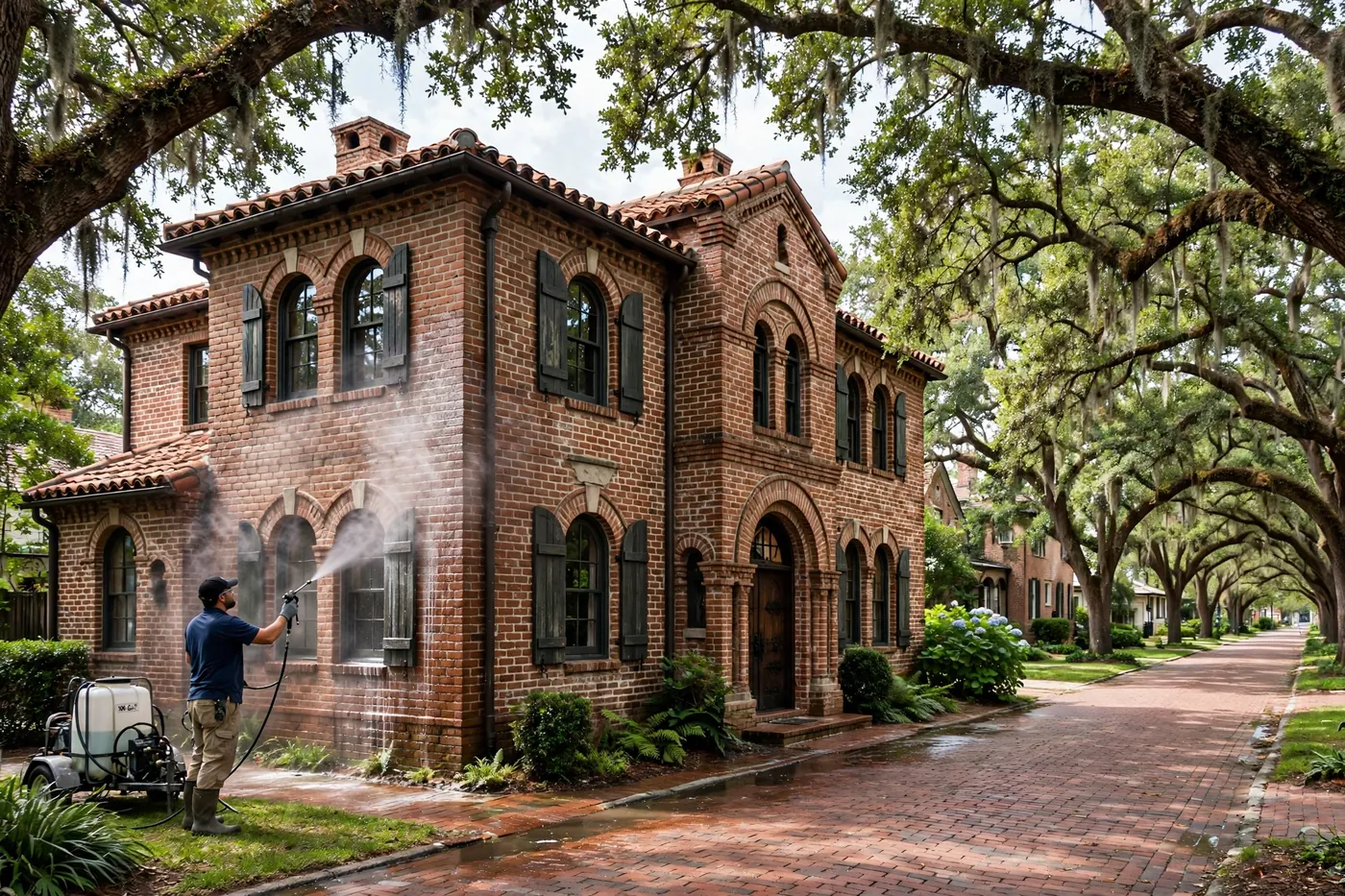
Pressure Washing in San Marco: Brick, Stucco & Historic Homes
San Marco's 1920s–40s Mediterranean Revival homes need a gentle touch. Here's how to clean brick, stucco and historic wood without damage.
Read More →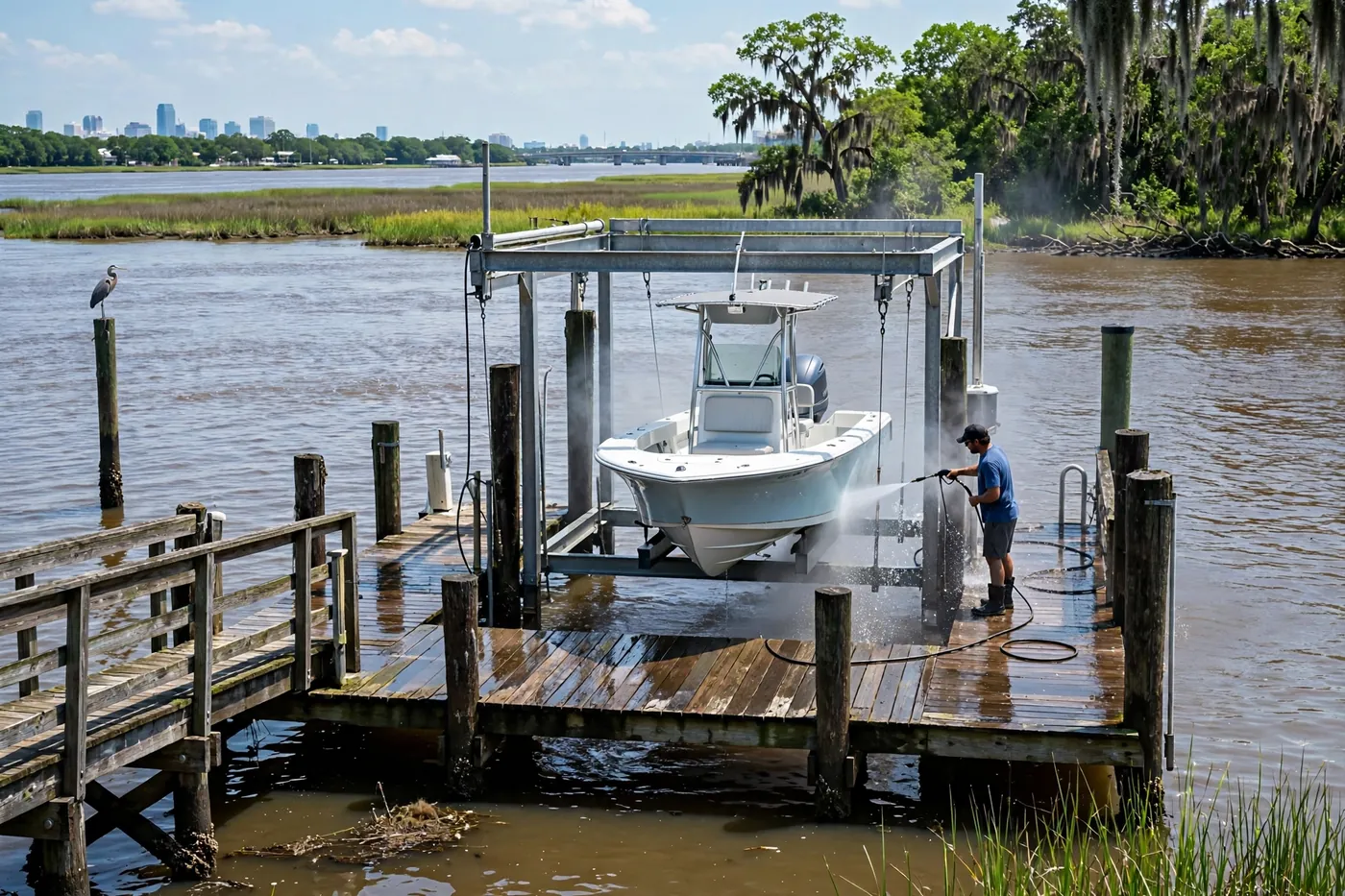
Docks, seawalls and boatlifts cleaned with eco-safe methods that protect the river.
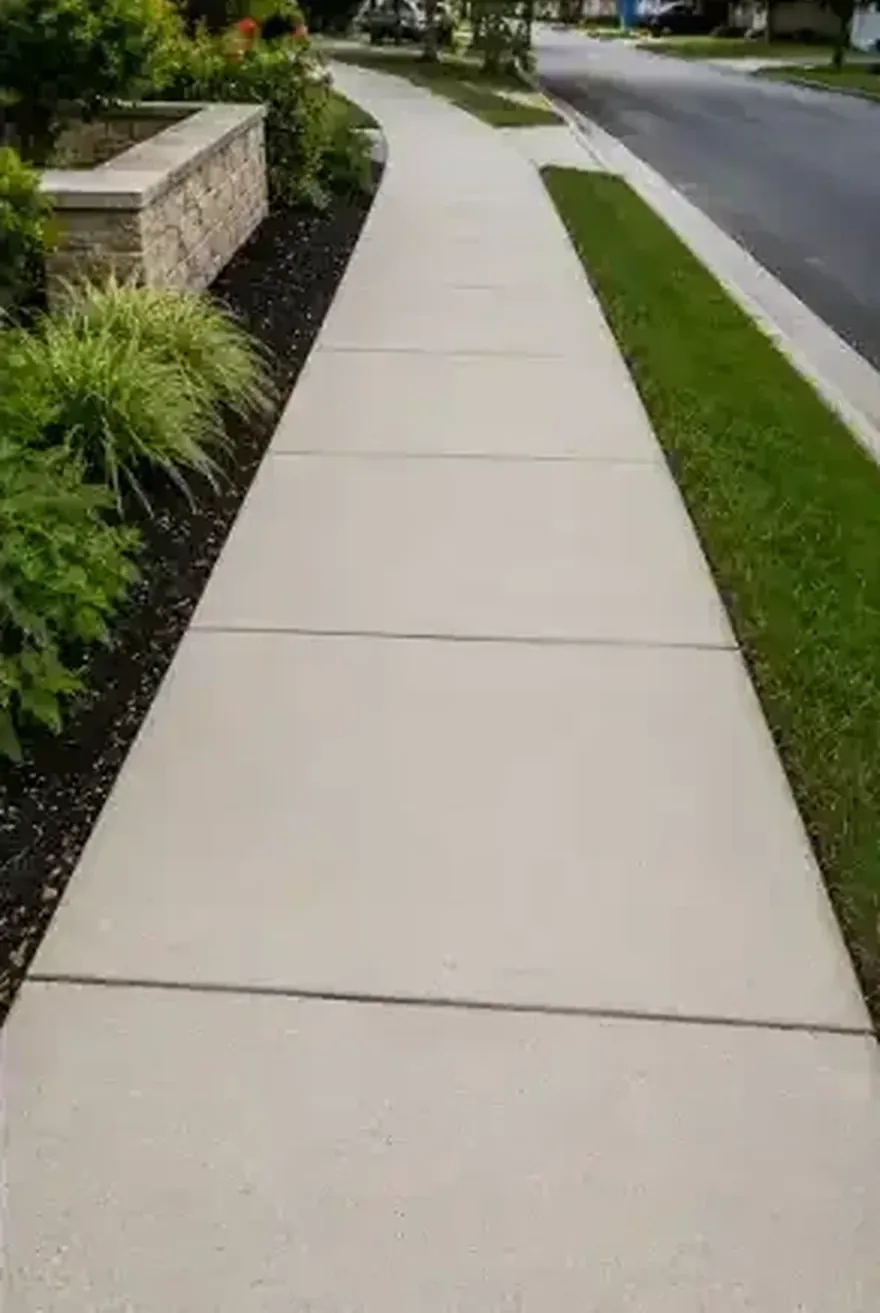
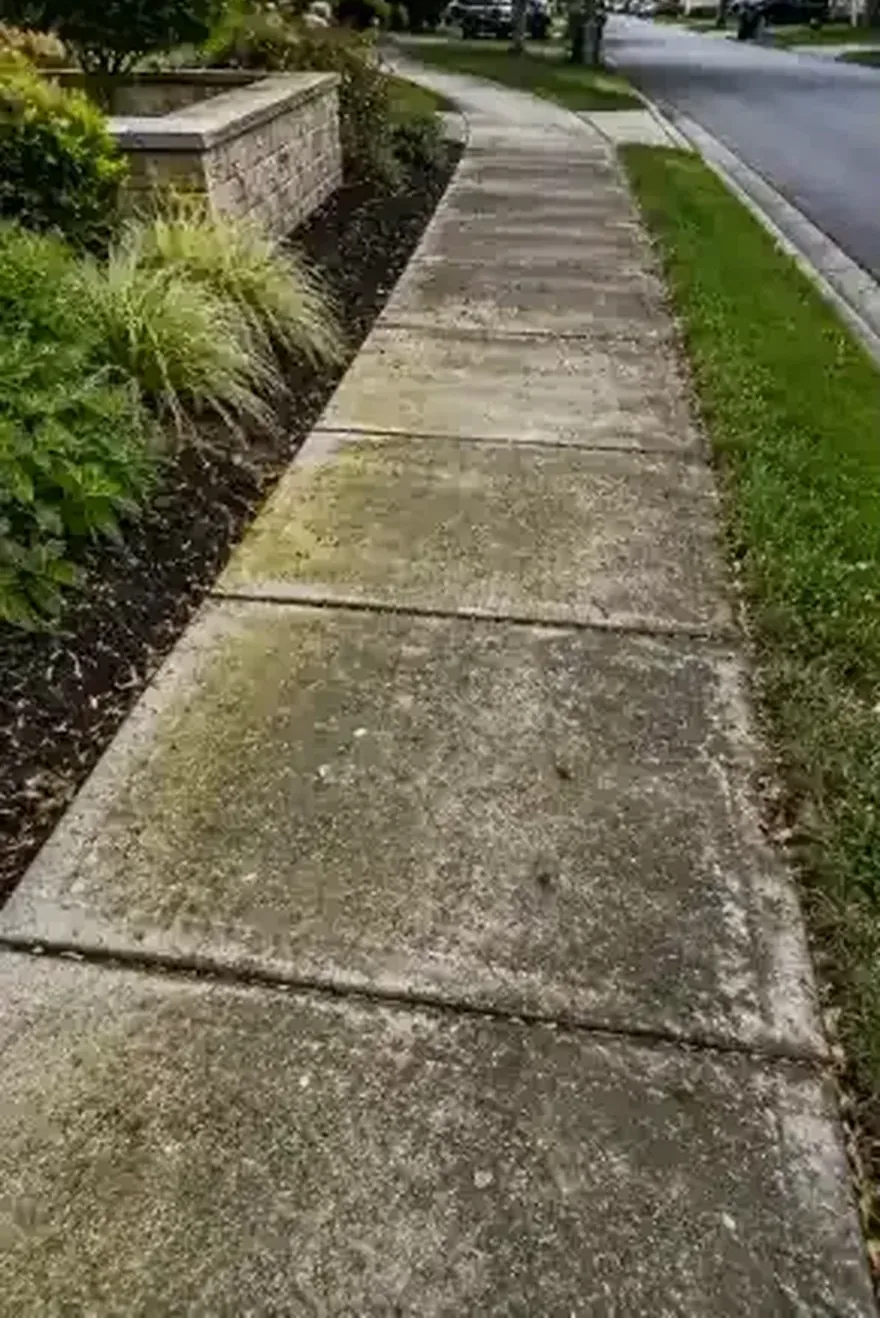 BEFOREAFTER
Drag to compare
BEFOREAFTER
Drag to compareThe St. Johns River is one of the few rivers in North America that flows north, and its slow, brackish character makes it beautiful — and brutal on docks. From Ortega and Avondale down through Mandarin to Julington Creek, private docks and marina slips sit in warm, nutrient-rich water that grows algae on every submerged and splash-zone surface. Above the waterline, the humid river air feeds mildew on deck boards, railings, and boatlift beams, while sun-bleached wood turns gray within a season or two.
Barnacles are the river's signature problem. In the brackish stretches, they colonize pilings, ladders, and lift cradles in dense crusts that are as ugly as they are abrasive — bare feet and dock lines both suffer. Add the tannin-stained water the St. Johns is famous for, which leaves brown tide lines on pilings and seawalls, and a two-year-old dock can look a decade old.
This is a maintenance reality, not a defect. Every dock owner from the Ortega River to Black Creek faces the same cycle, which is why regular professional cleaning — not a one-time rescue — is the way dock people think about it.
Cleaning next to a living river demands a different playbook than cleaning a driveway. The St. Johns is home to manatees, dolphins, wading birds, and a sport fishery Jacksonville is proud of — and anything we spray near the water ends up in it. Our dock work uses biodegradable, phosphate-free detergents, and wherever possible we rely on the mechanical action of water rather than chemistry at all.
Containment matters too. We work with the tide and current in mind, avoid cleaning during heavy runoff conditions, and never let concentrated chemical wash flow directly into the river. For marina clients, we coordinate with dockmasters on their environmental policies — many Jacksonville marinas now require contractors to document eco-safe methods before they are allowed on the docks.
An honest boundary: we clean docks, lifts, seawalls, and deck structures. We do not bottom-paint boats, service engines, or handle anything below the waterline that requires dive work. For everything above it, we are the right call.
Dock boards are the headline act. Sun-grayed, algae-slick decking is both ugly and genuinely dangerous — wet algae on wood is one of the slickest surfaces on the river. We clean deck boards with methods matched to the wood: moderate pressure for pressure-treated pine, softer approaches for older or softer lumber, because blasting weathered wood with full pressure tears fibers and shortens the dock's life. Anyone who tells you every dock gets the same treatment is selling, not cleaning.
Pilings, ladders, and lift cradles get de-barnacled and de-algaed, with care around bolts, cables, and lift motors — water and electricity demand respect, and we mask or avoid sensitive components. Rails, benches, fish-cleaning stations, and dock boxes round out the scope. The transformation on a neglected dock is usually the most dramatic work we do anywhere.
Composite decking, increasingly common on newer Mandarin and Ponte Vedra docks, cleans beautifully but needs lower pressure and the right detergent — too much aggression voids warranties and scars the surface. Tell us what your dock is made of when you call, and we will match the method.
The seawall is the most expensive structure on most waterfront properties and the least maintained. Concrete and vinyl seawalls grow a distinct brown-green band at the waterline — tannin staining plus algae — that creeps upward with every high tide. Regular cleaning keeps it cosmetic; neglect lets biological growth work into cracks and weep holes, accelerating deterioration you cannot see until it is expensive.
We clean seawalls from the dock or the water side with controlled pressure, taking care around weep holes and cap stones. While we are there, we will tell you honestly what we see: cleaning reveals the wall's real condition, and if we spot significant cracking, leaning, or failed sections, we will say so and recommend a seawall contractor before it becomes an emergency. A clean seawall is also easier for a marine contractor to inspect — another reason to keep it washed.
Riprap and bulkhead-adjacent areas get tidied as part of the scope on request. The goal is a waterfront that looks cared for from the water, which — for anyone who has idled past a green-streaked seawall on the Ortega River — makes an enormous difference.
River work follows the river's schedule. We plan dock cleanings around tides — lower water exposes more piling and seawall, which means a more thorough job — and around your boating season. Most St. Johns dock owners land on one thorough cleaning per year, with a lighter mid-season touch-up if the dock sees heavy use or sits in a particularly fertile stretch of water.
Spring, after pollen season ends in May, is the most popular window: the oak pollen film is gone, summer boating is ahead, and the dock looks its best for the months you will use it most. Fall, after hurricane season, is the smart second choice — storms churn the river and redeposit grime on everything. Professor Pressure Washing is family-owned and has worked the Jacksonville waterfront since 2015; call (904) 938-5900 and we will scope your dock, lift, and seawall in one visit and schedule around your tides.
Yes, when it is done with the river in mind. We use biodegradable, phosphate-free detergents, rely on water pressure rather than harsh chemistry wherever possible, and avoid letting concentrated wash flow directly into the St. Johns. We also work with tide and current conditions and follow marina environmental policies. The alternative — letting docks shed algae, flaking paint, and debris into the water — is worse for the river than a careful cleaning.
Yes — barnacles on pilings, ladders, lift cradles, and seawalls are routine work for us on the St. Johns. We remove the crusts mechanically with controlled pressure, taking care around bolts, cables, and lift motors. Heavy, long-established colonies take longer and we will tell you that upfront, but even the worst cases come dramatically cleaner.
Most private docks on the St. Johns do well with one thorough cleaning per year — spring, after pollen season, is the favorite — plus a lighter touch-up if the dock is in a high-growth stretch or gets heavy use. Marinas and commercial docks usually need quarterly service. We will recommend an honest cadence based on your dock's location and condition, not a one-size schedule.
San Marco's 1920s–40s Mediterranean Revival homes need a gentle touch. Here's how to clean brick, stucco and historic wood without damage.
Read More →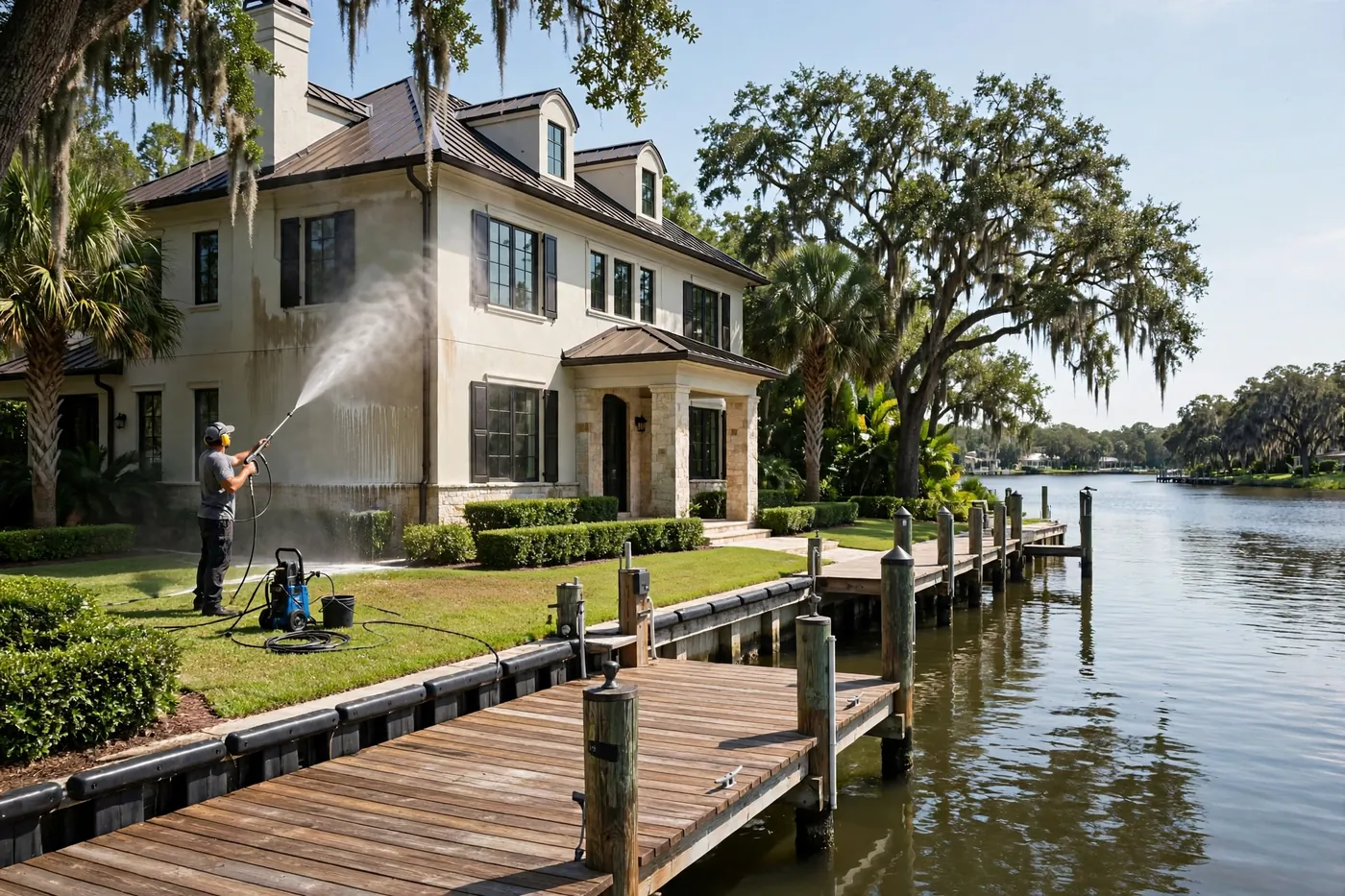
Ortega's riverfront estates face salt air, river humidity and dock grime. A complete guide to waterfront exterior cleaning.
Read More →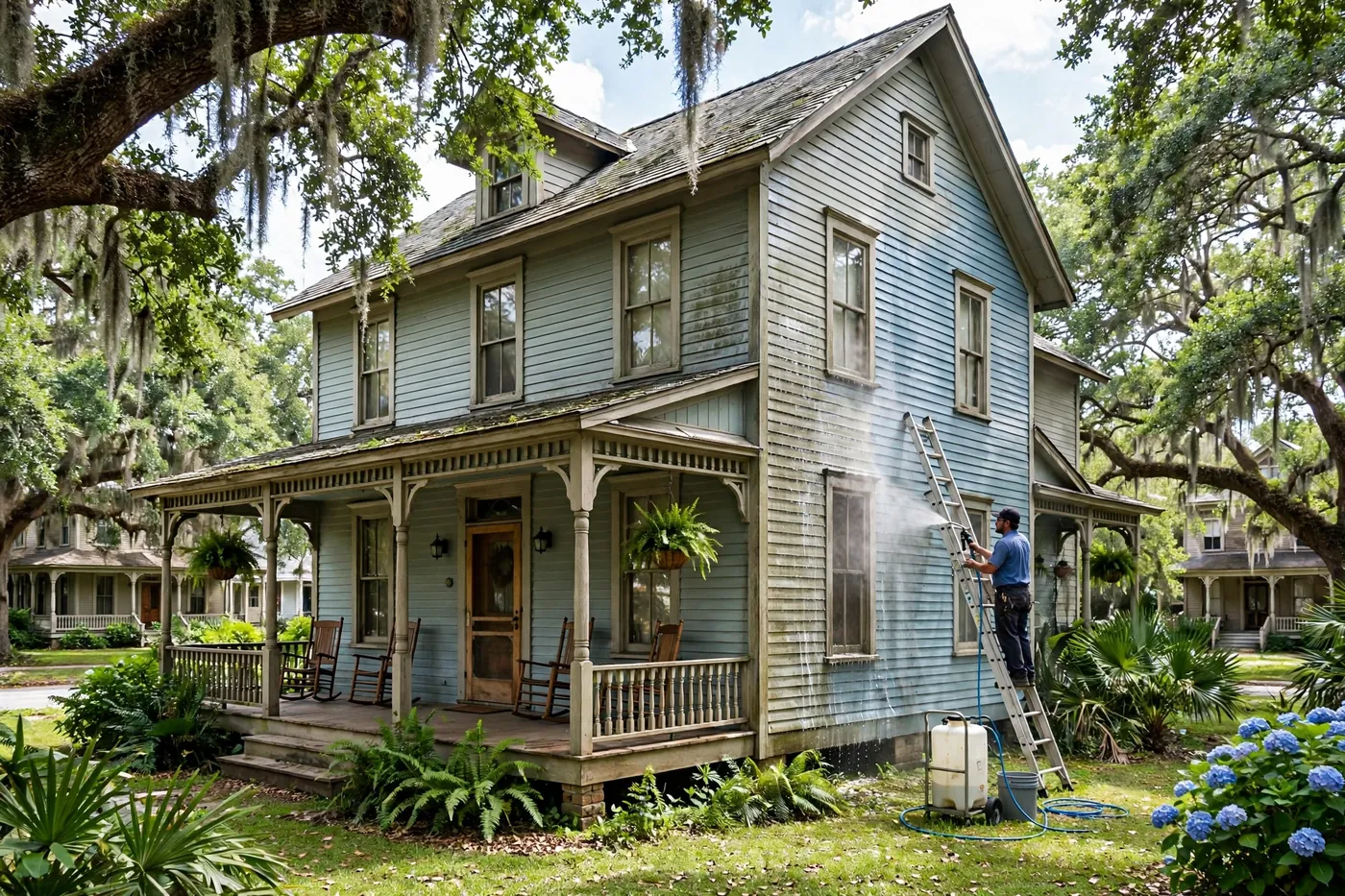
Springfield's century-old homes need soft washing, not brute force. How to restore historic siding safely.
Read More →Call now for a free estimate and same-day service in Jacksonville, FL. Open 24/7.